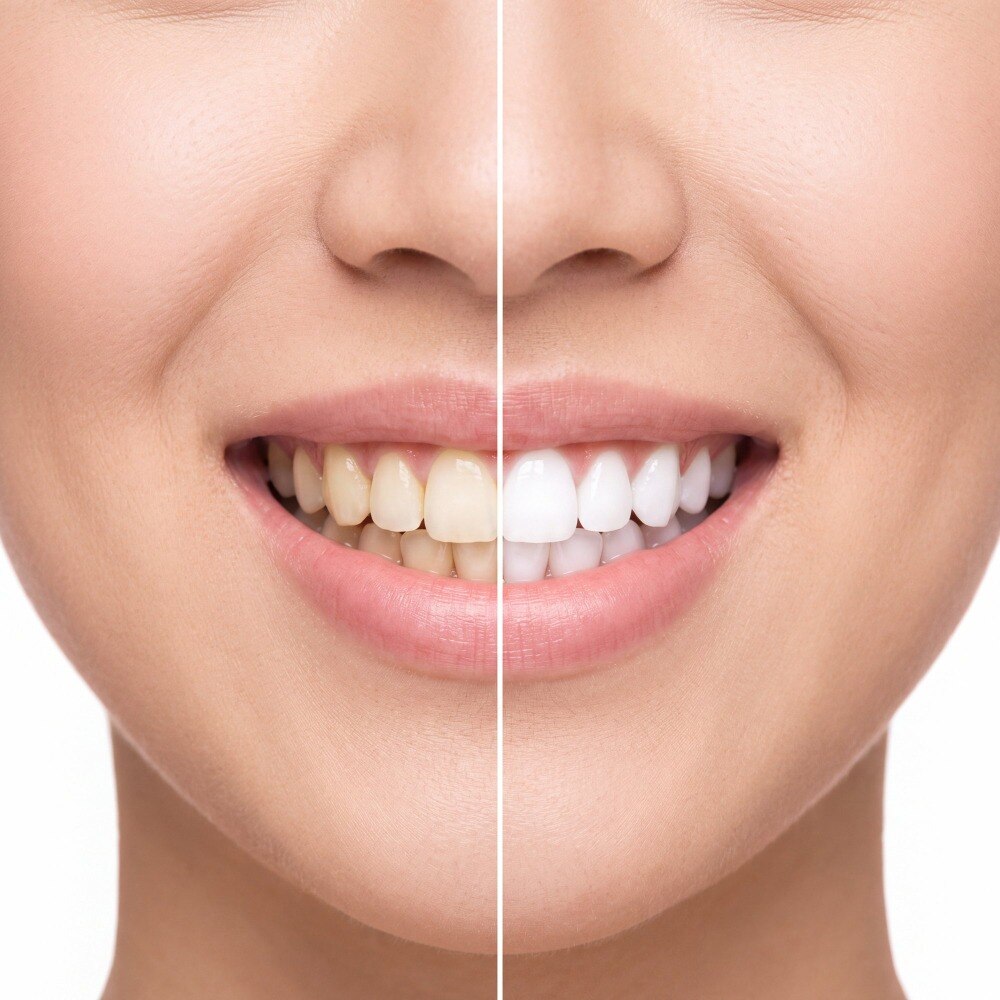
No visible change after a whitening course does not always mean the gel is too weak. Check the application, timing and product first, then identify whether the colour comes from a removable surface stain, natural tooth structure or dental work before you repeat treatment.
Key takeaways
- Check gel amount, tray contact and application frequency before judging results.
- Stop whitening if you develop severe sensitivity, gum burns or persistent pain.
- Crowns, fillings and some deep stains will not change colour with whitening.
- Get a dental diagnosis before using a stronger whitening product.
Check the kit and your application before judging the result
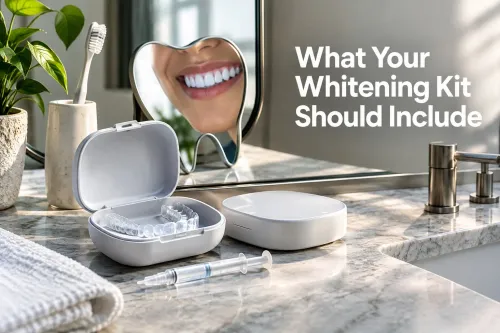
Before deciding that a home whitening kit is not working, check the product and your technique. A small amount of gel, poor tray contact or missed applications can leave teeth looking unchanged.
1. Check the expiry date, seal and gel colour. Do not use a product past its expiry date or a syringe stored outside the manufacturer’s temperature instructions.
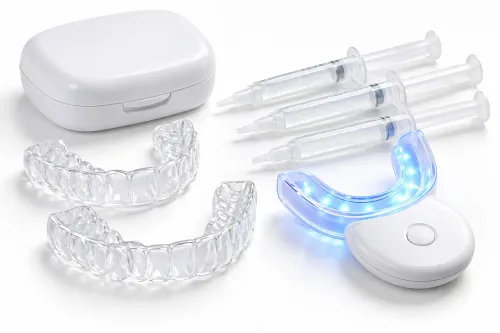
2. Confirm that the tray sits closely against the front and side teeth. Excess saliva, a loose tray or gel pushed away from the tooth reduces contact and can create uneven patches.
3. Use the stated amount of gel. More gel will not whiten faster; it can overflow onto the gums and cause burning or sharp sensitivity.
4. Follow the complete schedule printed for that product. Compare your teeth under the same lighting, ideally beside a shade guide, rather than comparing photographs taken in different rooms.
Whitening toothpaste mainly removes surface stains and cannot match the colour change from a peroxide system. Do not scrub harder if results are slow, because abrasive products can wear enamel or exposed roots.
Stop and arrange a dental assessment before continuing if you have cavities, cracked teeth, gum disease, recession, a single dark tooth or mismatched fillings. If you searched for home whitening kit for problems hinjewadi, diagnosis is safer than buying a stronger product.
Know when results should appear and when to stop
Do not judge the treatment after one or two applications. Complete the full schedule on the label or from your dentist; many home systems use about 7 to 14 applications. The treatment time varies by peroxide strength, tray design and stain type, so the product instructions control.
1. Record your starting shade in the same lighting each time, using a shade guide if available. Photographs taken in different rooms can make teeth whitening kit results appear better or worse than they are.
2. Complete every scheduled application with the correct gel amount and tray contact. Surface stains from coffee, tea, tobacco and coloured foods often improve during the course, while fluorosis, tetracycline staining, trauma-related discoloration and darkening inside the tooth can respond slowly or incompletely.
3. Stop when you finish the prescribed course without a visible change, rather than adding extra days or buying a stronger product. Continuing past the instructions increases sensitivity and gum irritation without guaranteeing a lighter shade.
Stop immediately for sharp pain, persistent sensitivity, gum burning or white patches on the gums. Do not restart whitening over an untreated cavity, crack, leaking filling, exposed root or active gum disease.
If there is no change after the complete course, or one tooth remains dark, arrange a dental assessment to identify the stain before repeating treatment.
Identify the type of stain and the teeth that cannot whiten
A bleaching gel changes the colour of natural enamel and dentin, not the material in a crown, veneer, bridge, filling or bonding. That is why natural teeth can lighten while a restoration stays unchanged and becomes more noticeable.
| Type of discoloration | What whitening can do | What to expect |
|---|---|---|
| Surface stain | Lift deposits from coffee, tea, tobacco and coloured foods | Usually responds more predictably |
| Intrinsic stain | Reach colour held inside the tooth | Fluorosis, tetracycline staining, trauma and age-related dentin darkening may improve slowly, unevenly or incompletely |
| Restoration | Cannot change porcelain, ceramic, composite or metal colour | Replacement or cosmetic recontouring may be needed for a matching shade |
| Tartar or tooth disease | Cannot remove hardened tartar or repair decay, cracks or leaking fillings | Treat the cause before whitening |
Whitening toothpaste mainly removes surface deposits with abrasives; it does not create the same colour change as peroxide. Scrubbing harder can wear enamel or exposed root surfaces and increase sensitivity.
A single dark tooth, mismatched filling, gum recession or no change after correct use needs a dental assessment, not automatically stronger gel. If you searched for home teeth whitening Wakad, ask for a shade assessment and examination before choosing treatment.
A dentist can identify whether the target is a removable stain, internal discoloration or a restoration that requires replacement.
Handle sensitivity, gum burning and uneven whitening safely
Remove the tray and rinse with water if whitening causes sharp pain, prolonged sensitivity or gum burning. Do not keep wearing it to “finish” the session, add extra gel or extend the exposure time. Symptoms often settle after stopping, but continuing through significant pain can worsen irritation and expose an untreated problem.
Before restarting, take these steps:
- Use the prescribed amount of gel and keep it off the gums. Wipe away any overflow immediately.
- Check that the tray sits firmly against the teeth. A loose generic tray can spread peroxide unevenly and leave concentrated gel on the gumline.
- Do not whiten over a cavity, cracked tooth, leaking filling, exposed root or active gum disease. Peroxide can enter the defective area and trigger sharp sensitivity; whitening will not repair it.
- Stop the course and arrange a dental assessment if pain persists after removal, one tooth becomes markedly sensitive, or the gums develop white patches, sores or bleeding.
Patchy colour can result from plaque, calculus or inconsistent tray contact. Clean deposits before continuing; peroxide cannot bleach through calculus or correct colour trapped inside a defective filling, crown or veneer. A dentist can assess the tooth colour and adjust concentration, wear time or frequency.
If sensitivity or uneven whitening returns, a dentist-made tray may distribute gel more consistently than an over-the-counter tray.
Get a diagnosis before buying stronger products
See a dentist before repeating or replacing a home whitening kit if you completed the directed course with no visible change, developed marked sensitivity or gum burns, or noticed one tooth turning dark. A stronger product will not correct decay, pulp damage, tartar, enamel defects or a stain inside the tooth.
Arrange an assessment when:
1. One tooth is darker than its neighbours. Trauma, decay or loss of pulp vitality can cause this and may require an examination, radiograph, internal bleaching or restorative treatment.
2. Fillings, crowns or veneers look mismatched after whitening. These materials do not lighten like natural enamel, so replacing the restoration may be the appropriate solution.
3. The colour is patchy, grey-brown or linked to fluorosis, tetracycline exposure, age-related dentin darkening or an old injury. Whitening may be slow, uneven or incomplete.
4. Pain continues after you stop treatment, or your gums remain white, sore or peeling. Do not extend wear time or use extra gel to force a result.
5. You are unsure whether the tray fits, the gel is viable or the starting shade was assessed accurately. A dentist can examine the teeth and record a shade under consistent lighting.
If you are comparing a whitening dentist near Hinjewadi, ask whether the plan includes diagnosis and shade assessment. Deshmukh Dental Clinic can help determine whether external whitening, stain removal, internal treatment or a restoration fits the problem.
Related service
Advanced Teeth Whitening (Bleaching) “Get professional whitening results at home! 😊 Our custom-fit Home Whitening Kits are designed to brighten your smile safely and effectively. View service → |
Frequently asked questions
Why is my home whitening kit not working?
Check the gel amount, tray contact, application frequency and product condition before judging the result. Missed applications or poor tray fit can leave teeth looking unchanged.
How long should home teeth whitening take to show results?
Follow the product instructions and allow the stated treatment period before judging the shade. Stop and seek dental advice if sensitivity or gum irritation becomes severe or persists.
Which stains cannot be whitened at home?
Crowns, fillings and other tooth-coloured restorations do not whiten. Deep internal stains and some discolouration from injury or medication also need a dental assessment.
What should I do if whitening causes sensitivity or gum burning?
Stop treatment when you develop severe sensitivity, gum burning or persistent pain. Check tray fit and seek a dental diagnosis before restarting or buying a stronger product.
Keywords