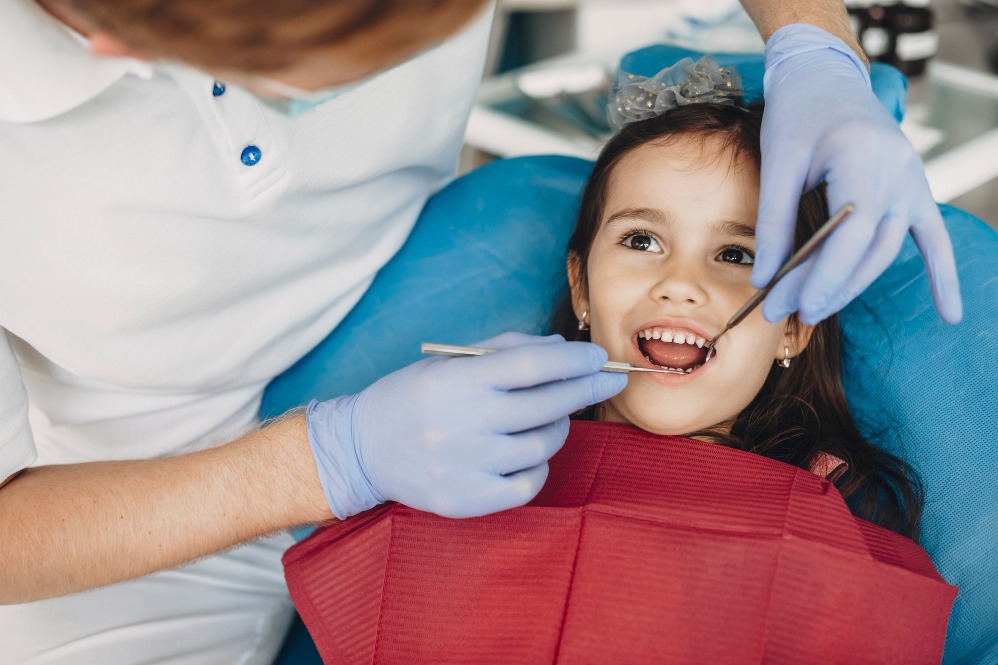
Children’s teeth influence eating, speech, facial development and the position of future permanent teeth. Pediatric Dental Care focuses on prevention, early diagnosis and age-appropriate treatment while helping children become comfortable with dental visits.
For families in Hinjewadi, dental care should begin before a child develops a toothache. Early visits give parents an opportunity to receive practical guidance on brushing, fluoride, diet and oral habits.
When Should the First Dental Visit Occur
The American Academy of Pediatric Dentistry recommends a child’s first dental visit by the first birthday or within six months after the first tooth appears. Early assessment can identify risk factors before they develop into painful cavities.
The first appointment is often short and preventive. It may include an examination of the teeth, gums, jaws and oral tissues, along with advice for parents.
Why Baby Teeth Matter
Baby teeth eventually fall out, but they should not be considered unimportant. They help children chew and speak while preserving space for permanent teeth.
Untreated decay in a baby tooth may cause:
- Pain and disturbed sleep
- Difficulty eating
- Swelling or infection
- School absence
- Early tooth loss
- Changes in the eruption path of permanent teeth
- Fear caused by emergency treatment
Treating a small cavity is generally simpler than managing a large infection after symptoms appear.
Building an Effective Brushing Routine
Parents usually need to assist with brushing until the child has enough coordination to clean every surface properly.
Important habits include:
- Brushing twice a day
- Using a soft, age-appropriate toothbrush
- Using the dentist-recommended amount of fluoride toothpaste
- Spitting out toothpaste after brushing
- Cleaning all tooth surfaces gently
- Replacing damaged toothbrushes
- Supervising brushing rather than relying on the child alone
The appropriate toothpaste amount varies by age, so parents should follow professional guidance.
Diet and Cavity Risk
The frequency of sugar exposure is as important as the total quantity. Repeated snacking or sipping sweetened drinks gives oral bacteria more opportunities to produce acids.
Parents can reduce risk by:
- Keeping sweets to limited occasions
- Avoiding frequent packaged juice and sweetened milk
- Offering water between meals
- Not putting a child to sleep with a bottle containing milk or juice
- Choosing balanced snacks
- Avoiding sticky sweets that remain on teeth
- Encouraging rinsing with water after meals
Dietary advice should remain realistic and fit the child’s age and nutritional requirements.
Preventive Dental Treatments
Depending on the child’s risk, the dentist may recommend professional fluoride application or sealants on vulnerable permanent molars.
Sealants cover deep grooves where food and bacteria can collect. They do not replace brushing, but they can provide additional protection for selected teeth.
Regular review intervals should be based on cavity risk, oral hygiene, growth and previous dental history.
Managing Dental Anxiety Early
Children often respond to the emotions and language used by adults. Threatening phrases or detailed descriptions of injections can increase fear before the appointment.
Parents can help by:
- Describing the visit positively and simply
- Avoiding promises that nothing will be felt
- Allowing the dental team to explain procedures
- Scheduling appointments when the child is rested
- Bringing relevant medical information
- Avoiding using dental visits as punishment
- Praising cooperation rather than demanding perfection
Deshmukh Dental Clinic provides Pediatric Dental Care with attention to prevention, communication and age-appropriate behaviour guidance. Families from Hinjewadi, Wakad and nearby Pune neighbourhoods can seek advice even when the child has no visible dental problem.
A positive early dental experience can establish habits that continue into adulthood. Preventive care is most effective when parents, children and the dental team work together consistently.
Keywords